
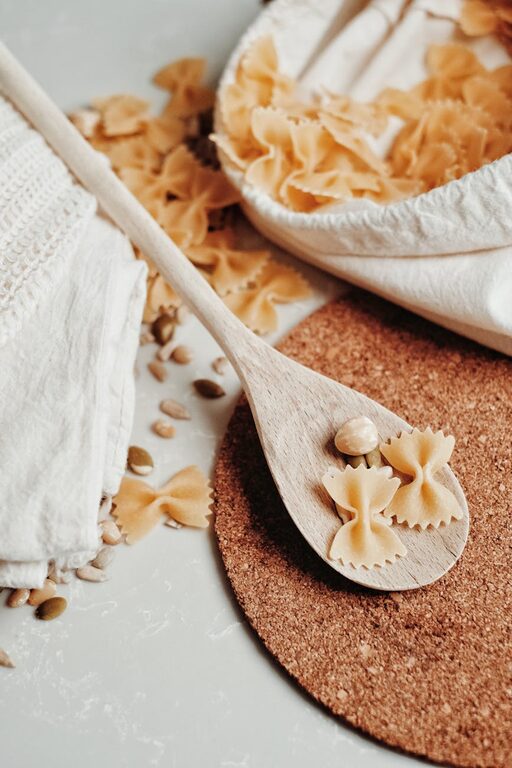
Reducing food waste at home is not only good for your budget but also benefits the environment by conserving resources and minimizing landfill waste. Fortunately, making small changes in our daily habits can add up to big impacts over time. Here are some practical ways to help you cut down on food waste and enjoy fresher meals.
Understand the Root Causes of Food Waste
Before diving into tips, it helps to know why food gets wasted. Common reasons include:
– Buying too much food and letting it spoil
– Forgetting about leftovers or not using them in time
– Confusing date labels like “best before” and “use by”
– Poor storage leading to faster deterioration
– Preparing more than needed
Knowing these causes can guide better habits in your kitchen.
Smart Shopping Strategies
Planning ahead is key to preventing food waste.
Create a Meal Plan
Outline your meals for the week to know exactly what ingredients are required. This reduces impulse buys and over-purchasing.
Make a Shopping List and Stick to It
Use your meal plan to make a precise list and avoid buying items you don’t need. Consider checking your pantry first.
Buy Loose Produce When Possible
Choosing loose fruits and vegetables lets you buy only the amount you need.
Shop More Frequently but in Smaller Quantities
If your schedule allows, shop more regularly for fresh produce instead of bulk buying perishables.
Proper Food Storage Techniques
Storing food correctly extends its shelf life.
Understand Storage Needs
Some foods do better in the fridge, others on the counter. For example, potatoes and onions keep longer in a cool, dark place, not the fridge.
Use Airtight Containers
Once opened, use airtight containers or resealable bags to limit exposure to air and moisture.
Store Fruits and Vegetables Separately
Many fruits release a gas called ethylene that speeds up ripening; storing them separately can keep produce fresh longer.
Label and Date Leftovers
Mark containers with preparation dates to keep track of freshness.
Make the Most of Leftovers
Leftovers don’t have to be boring or forgotten.
Get Creative with Leftovers
Turn them into new meals like soups, stir-fries, or salads.
Use Appropriate Portions
Prepare meals in amounts that suit your household to avoid extra leftovers.
Freeze Extra Portions
If you can’t eat leftovers within a few days, freeze them for later.
Understand Date Labels
Date labels can be confusing and lead to unnecessary food disposal.
Differentiate Between “Best Before” and “Use By”
– Best before indicates quality; food may still be safe to consume shortly after.
– Use by is about safety; consume by this date to avoid risks.
Use your senses — sight, smell, and taste — to assess food whenever possible.
Compost Food Scraps
Not all food scraps can be avoided, but composting is an eco-friendly way to handle waste.
Start a Compost Bin
Food scraps like vegetable peels, coffee grounds, and egg shells can be composted to enrich garden soil.
Know What Not to Compost
Avoid composting meat, dairy, and oily foods as they attract pests.
Teach and Involve Your Household
Everyone in your home can contribute to reducing food waste.
Share Tips and Responsibilities
Encourage family members to help plan meals, store food properly, and eat leftovers.
Educate About Portion Sizes
Help everyone understand serving sizes to reduce uneaten food.
Use Technology to Your Advantage
Several apps and tools can help manage food better.
Inventory Apps
Track what you have at home to avoid overbuying.
Recipe Apps for Leftovers
Find meal ideas based on ingredients you already have.
Final Thoughts
Reducing food waste is a win-win situation. You save money, enjoy fresher meals, and contribute to a healthier planet. By adopting smart shopping habits, proper storage, creative cooking, and composting, your household can significantly cut down on food waste. Start small, stay consistent, and watch the positive changes unfold.