
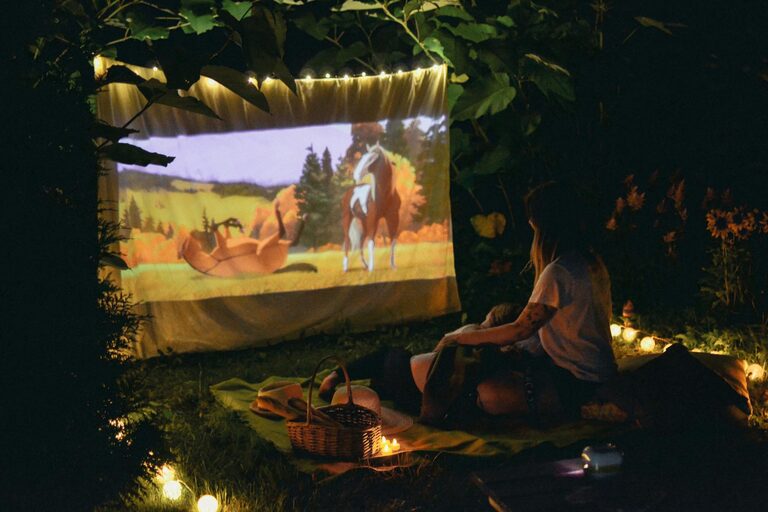
Creating a cozy, screen-light evening at home can be a wonderful way to unwind after a busy day. Whether you’re watching your favorite show, browsing the web, or video calling friends, setting the right atmosphere helps reduce eye strain and promotes relaxation. This guide will walk you through simple steps to plan a perfect screen-light evening that balances comfort with smart lighting.
What Is a Screen-Light Evening?
A screen-light evening means an evening spent using digital devices like tablets, smartphones, laptops, or TVs while controlling the lighting around you to minimize discomfort and fatigue. The goal is to enjoy screen time without sacrificing eye health or overall relaxation.
Why Planning Matters
When we use screens in a poorly lit room or with harsh lighting, it can cause headaches, dry eyes, and sleeplessness. Thoughtful planning helps you:
– Reduce eye strain
– Improve mood and calmness
– Enhance the visual experience
– Maintain healthy sleep patterns
Let’s dig into the best ways to prepare for your screen-light evening.
Step 1: Choose the Right Room and Seating
Your environment plays a key role in a comfortable screen-light evening.
– Pick a cozy room: A living room or bedroom with minimal glare is ideal. Avoid rooms with harsh overhead lighting.
– Ensure comfortable seating: Use a supportive chair or sofa with good back support. Add cushions or a blanket for extra coziness.
– Position your screen correctly: Your screen should be at eye level and about an arm’s length away for laptops and tablets. TVs should be viewed from a moderate distance and centered with your seating.
Step 2: Set Up Balanced Lighting
Proper lighting is the cornerstone of a screen-friendly evening.
– Opt for warm, dimmable lights: Use lamps or smart bulbs with adjustable brightness. Warmer tones (yellow to soft white) are gentler on the eyes than harsh cool white or blue lighting.
– Avoid screen glare: Place any lamps or lights to the side or behind your seating to reduce reflections on your screen.
– Consider bias lighting: This is a soft light placed behind your TV or monitor to reduce eye strain by balancing the contrast between your screen and the dark room.
– Use “night mode” or blue light filters: Most devices offer settings to reduce blue light in the evening, which can help improve sleep quality.
Step 3: Prepare Your Digital Devices
Adjust your screens to be friendlier on the eyes.
– Adjust brightness: Match your screen brightness to the overall light in the room. It shouldn’t be too bright or too dim.
– Enable blue light filtering: Turn on “night mode” or download apps that shift your screen to warmer colors after sunset.
– Increase text size if needed: This helps reduce eye fatigue, especially for reading or long browsing sessions.
– Limit notifications: Disable distracting alerts so you can relax without constant interruptions.
Step 4: Create a Relaxing Atmosphere
Beyond lighting and devices, small touches make a big difference.
– Add soft background music: Low-volume instrumental or nature sounds complement a calm evening.
– Set a comfortable temperature: Not too hot or cold, which can distract from relaxation.
– Have cozy accessories: A soft throw blanket, comfy slippers, or a warm drink can add to your comfort.
Step 5: Plan Screen Time Mindfully
While screen technology offers great entertainment, it’s important to avoid overdoing it.
– Schedule breaks: Follow the 20-20-20 rule — every 20 minutes, look at something 20 feet away for 20 seconds to rest your eyes.
– Limit total screen time: Aim for 1–2 hours of focused screen use in the evening for balance and better sleep.
– Mix screen activities: Switch between watching, reading, or socializing online to keep engagement fresh and prevent fatigue.
Step 6: Wind Down Before Bed
A good screen-light evening ends with a transition away from digital devices.
– Turn off screens at least 30 minutes before bedtime: This helps your brain prepare for sleep.
– Try relaxation techniques: Gentle stretching, meditation, or light reading (preferably on paper) promotes calmness.
– Dim the house lights: Creating a darker environment encourages the natural production of melatonin, aiding restful sleep.
Bonus Tips for Families or Shared Evenings
– Agree on shared device rules: Decide together on how long and what to watch to keep everyone happy.
– Use parental controls: Limit access to certain screen content for younger family members if needed.
– Create “screen-free” zones: Designate areas or times where no screens are allowed to encourage interaction and downtime.
—
Final Thoughts
Planning a screen-light evening is all about creating a balance between enjoying your digital time and caring for your eyes and well-being. By choosing the right lighting, arranging your space thoughtfully, adjusting device settings, and setting mindful limits, you’ll look forward to relaxing and healthful evenings at home.
Start small by adjusting your lighting setup tonight — even that one change can improve your screen experience noticeably. Enjoy your next screen-light evening!